

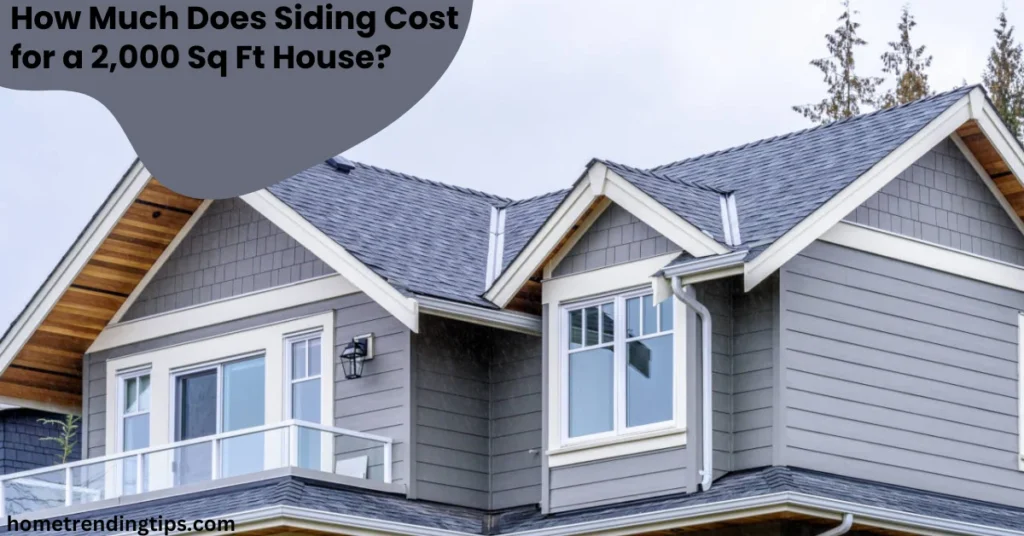
Upgrading or replacing your home’s siding is one of the smartest ways to boost curb appeal, energy efficiency, and property value. But how much does siding cost for a 2,000 sq ft house in 2025? This in-depth guide covers everything: average costs by material, factors influencing the price, ROI details, cost-saving tips, and expert answers to the top homeowner questions—all backed by data from the industry’s most trusted sources.
What Is Siding and Why Does It Matter?
Siding is the protective material attached to the outside of a house’s frame, shielding your home from the elements while defining its style. The right siding keeps your house insulated, dry, and looking sharp for years—while the wrong choice or shoddy installation can lead to headaches and costly repairs.
Siding Cost Breakdown by Material
Here’s a side-by-side look at costs for a 2,000 sq ft house in 2025:
Note: These are ballpark 2025 averages. Your total will depend on home design, region, contractor, and project complexity.
Factors Influencing the Cost to Side a 2,000 Sq Ft Home
- Siding Material
- Labor & Installation
- Home Architecture
- Complex layouts, gables, dormers, or curved walls need more labor and waste more materials.
- Geographic Location
- Old Siding Removal
- Permits & Inspection Fees
- Prep/Repair
Sample Calculations by Siding Type
Below you’ll find detailed sample calculations for each major siding type, breaking down both materials and labor for a 2,000 sq ft house. These examples give clear cost ranges to help you budget and compare your options effectively.
1. Vinyl Siding (Most Popular)
2. Fiber Cement (e.g., James Hardie)
3. Engineered Wood
4. Brick/Stone (Premium)
Pros and Cons: Popular Siding Materials
| Material | Pros | Cons |
|---|---|---|
| Vinyl | Affordable, low maintenance, wide color choices | Can fade/crack over time, not as durable |
| Fiber Cement | Durable, fire/insect resistant, looks like wood | Heavy, requires skilled installation |
| Engineered Wood | Looks like wood, easier install, moderately priced | Prone to water damage if not installed right |
| Natural Wood | High curb appeal, classic look | High maintenance, can rot/warp |
| Aluminum | Rust-resistant, lightweight, recyclable | Dents easily, color fades |
| Stucco | Textured look, great insulation | Labor-intensive, needs skilled contractor |
| Brick/Stone | Ultimate durability, historic/classic appeal | Expensive, heavy, complex install |
Siding Replacement vs. New Installation
- Replacement often costs more per square foot due to:
- New builds avoid demolition, but still require insulation/moisture barriers.
Cost vs. Value: Does New Siding Pay Off?
- ROI for siding replacement is among the highest for exterior remodels.
- According to the National Association of Realtors and Remodeling Magazine, siding replacement can boost resale value by up to 68%–77% of the project cost.
- Energy efficiency: Insulated vinyl or fiber cement improves thermal performance, saving on bills.
- Curb appeal: New siding rejuvenates the look of any home, increasing buyer interest.
DIY vs. Professional Installation
Below, you’ll find a detailed comparison of DIY and professional siding installation for a 2,000 sq ft house. This section breaks down the advantages, drawbacks, costs, and important considerations, so you can choose the best approach for your home improvement project.
DIY Pros
- Saves 30–40% on labor
- Suitable for basic vinyl/engineered wood if you’re skilled
DIY Cons
- Warranties are typically void
- Mistakes in flashing, moisture barriers, or sealing can cause water damage
- Loan tools, safety gear, and helpers are extra costs
Pro Installation Pros
- Done faster, correctly
- Backed by manufacturer warranty
- Contractor covers debris removal, permits, insurance
Pro Cons
Siding Cost Comparison for a 2,000 Sq Ft House (Installed)
| Material | Low Estimate | High Estimate |
|---|---|---|
| Vinyl | $6,000 | $16,000 |
| Fiber Cement | $10,000 | $28,000 |
| Engineered Wood | $10,000 | $20,000 |
| Natural Wood | $10,000 | $24,000 |
| Aluminum | $14,000 | $26,000 |
| Stucco | $14,000 | $30,000 |
| Brick | $30,000 | $60,000 |
| Stone | $60,000 | $90,000 |
Siding Costs by Region
- Northeast/West Coast: Higher labor/materials, often 10–20% above national average
- South/Midwest: Slightly lower installation costs
- Urban vs. Rural: Cities pay more for permits/labor, rural areas may have limited contractor options
Cost-Saving Tips
- Get multiple quotes: Price varies, so shop around.
- Ask about off-season discounts: Fall/winter sometimes costs less.
- Choose mid-tier materials: Engineered wood and fiber cement balance cost and durability.
- Maintain your siding: Routine cleaning and spot repairs prolong life.
Local Estimates & Finding a Reliable Siding Contractor
- Search for certified local siding contractors, check reviews, and verify insurance and warranties.
- Request past project photos and confirm experience with your siding type.
FAQs About Siding Estimation and Options
Final Thoughts
The cost to side a 2,000 sq ft house in 2025 ranges greatly based on your chosen material, region, home complexity, and project details. However, with smart choices and solid planning, you can boost your home’s appearance, comfort, and value with a siding project that meets your style and budget.
For precision, always consult local contractors and compare actual bids. Well-installed new siding lasts decades and pays for itself with improved insulation and market value.
Disclaimer
Content on Home Trending Tips is for informational purposes only. Please consult professionals before making home or garden decisions.