

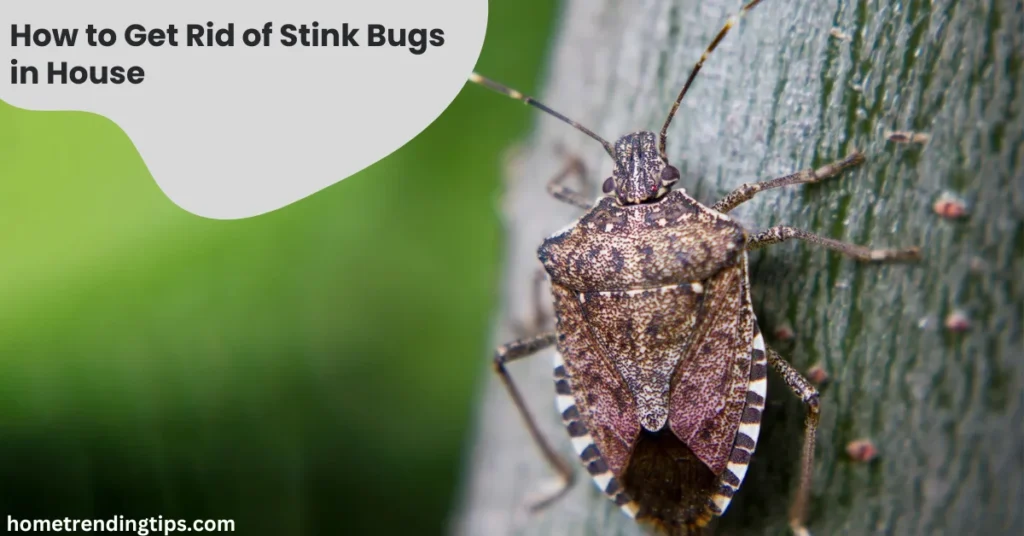
Stink bugs may seem harmless, but once they invade your home, their numbers and unmistakable odor can quickly sour your comfort. If you’re tired of seeing these brown shield-shaped pests by your windows, on the curtains, or even buzzing around your lights, you’re not alone. In this detailed, SEO-optimized guide, you’ll learn how to get rid of stink bugs in your house using evidence-based, expert-approved methods, as well as how to prevent them from coming back.
Why Stink Bugs Invade Houses
Stink bugs—especially the Brown Marmorated Stink Bug (Halyomorpha halys)—are a notorious fall and winter nuisance in much of North America. Though they may not bite or transmit disease, stink bugs release a pungent, musky odor if crushed or disturbed and can be difficult to eliminate once indoors.
Why You Need Effective Stink Bug Control
- Odor problems (smell lingers if bugs are squished)
- Unwanted numbers—from a few bugs to a full-blown infestation
- Possible crop and garden damage in warmer months
- Psychological annoyance and embarrassment
Why Do Stink Bugs Come Inside Houses?
Stink bugs are “overwintering pests,” meaning they enter homes in fall as the weather cools to seek warmth and protection until spring.
What Attracts Stink Bugs Indoors?
- Gaps around windows, doors, siding, air conditioners, and attic vents
- Light sources—outdoor lights left on at night attract bugs to doors and windows.
- Warmth leaking from cracks and gaps
- Overgrown landscaping near the home provides a launching point
Once inside, stink bugs often hibernate in wall voids, attics, or crawl spaces, sometimes emerging on warm days.
How to Identify a Stink Bug Infestation
Recognizing stink bug presence is the first step to effective control.
Look for:
- Shield-shaped brown or gray bugs, 1/2–3/4 inch long, slow moving
- Congregations on sunny sides of the house or near lights
- Bugs crawling around windows, ceilings, curtains, or lamps
- Odor when they are disturbed or crushed
Where They Hide:
- Window and door frames
- Behind curtains or blinds
- Inside attics, basements, under eaves, wall voids
Immediate Steps: How to Get Rid of Stink Bugs in House
Below, you’ll find immediate, effective steps for how to get rid of stink bugs in your house—focusing on safe removal methods, vacuuming tricks, and quick preventive actions. These practical solutions will help you eliminate existing bugs without spreading their odor and reduce the chances of a rapid infestation.
1. Physical Removal (The Smart Way)
- Do NOT squish: Crushing releases their defensive odor that lingers and may attract others.
- Vacuuming: Use a handheld or shop vacuum to suck up bugs. Dispose of vacuum bags or empty the canister outside immediately to prevent odor buildup.
- Manual capture: Trap individual bugs in tissue or a jar, then release outside far from the house—or drop in a soapy water solution (kills them quickly, no smell).
Tip: Always empty the vacuum or container after use to avoid lingering stink.
2. Seal Entry Points
- Air-seal cracks and gaps around windows, doors, siding, utility pipes, chimney caps, and attic vents using silicone-based caulk or weatherstripping.
- Install or repair screens on all windows, doors, and attic openings.
- Check exhaust fans and dryer vents for loose covers or mesh.
- Repair or replace worn weatherstripping on doors and garage entrances.
- Outdoor lighting: Switch to yellow bug lights or use minimal lighting at night near entryways.
Natural & Homemade Remedies for Stink Bugs
Want to avoid chemicals? Try these non-toxic methods:
1. DIY Soapy Water Traps
- Fill a bucket with water and add a few drops of liquid dish soap.
- Place the bucket below a stink bug congregation or use a gloved hand to drop them in.
- Soapy water breaks the surface tension and suffocates the bugs without releasing odor.
2. Essential Oil Repellents
- Mint, neem, or eucalyptus oils diluted in water can deter stink bugs.
- Mix 10–15 drops essential oil with 2 cups water; spray around windows, doors, and known entry points.
- Reapply as needed—especially after cleaning.
3. Diatomaceous Earth
- Sprinkle food-grade diatomaceous earth around suspected entry points, basement, and attic perimeters.
- This fine powder desiccates and kills insects that crawl through it.
- Vacuum and reapply after a few days.
4. Trap and Release
- Use a wide-mouthed jar to catch bugs and release them outside away from the house.
Chemical and Commercial Control Options
When DIY methods aren’t enough:
1. Insecticidal Sprays
- Pyrethroid-based sprays can kill stink bugs, but must be labeled for indoor use.
- Use for perimeter treatment outside before they enter (especially early fall).
- Not recommended for extensive indoor use due to limited efficacy and health risks.
- Bug foggers aren’t effective for stink bugs inside wall voids.
2. Professional Pest Control
- When to call a pro: If you have a significant infestation, evidence of bugs inside walls, or recurring seasonal invasions despite prevention.
- Professionals use specialized vacuums, insecticide dust, and exclusion techniques to eliminate stink bugs where DIY methods fail.
Note: Never apply outdoor pesticides indoors—this increases toxicity without greater effectiveness on stink bugs.
Preventing Future Stink Bug Infestations
Stopping stink bugs before they ever make it inside your home is the most effective long-term control strategy. These pests are excellent at exploiting even tiny gaps and are driven by seasonal instincts to find warmth and shelter—especially in fall and early winter. Each prevention step below is crucial for a comprehensive defense.
1. Seal Every Entry
Why:
Stink bugs can squeeze through gaps as small as 1/16 inch around doors, windows, foundations, and siding. In most homes, small cracks, unsealed utility openings, and worn weatherstripping are the main entry points.
How to do it:
- Conduct a thorough inspection of your home’s exterior each year—ideally in late summer or early fall—paying special attention to siding seams, window and door frames, attic vents, chimney caps, and utility pipes.
- Use high-quality silicone-based caulk or foam sealant to fill any cracks, holes, or crevices.
- Repair or replace weatherstripping on all doors and install door sweeps as needed.
- Fix or replace torn window and door screens, and install fine mesh over attic or vent openings.
- For homes with vinyl siding, also pay attention to cracks around outlets and interior wall openings, as stink bugs can exploit gaps in both exterior and interior walls.
Results:
A well-sealed home dramatically reduces passive entry by stink bugs, forcing them to stay outdoors where natural predators and the elements control their numbers.
2. Optimize Outdoor Lighting
Why:
Stink bugs are strongly attracted to bright, white lights at night. Porch lights, floodlights, and even indoor lights shining through windows may lure them to your doors and windows, increasing the odds they discover a way inside.
How to do it:
- Turn off unnecessary outdoor lighting at dusk, or install motion-activated fixtures that only illuminate when needed.
- Close curtains or blinds at night to minimize indoor light spilling outside.
- Where possible, swap bright white or UV bulbs for yellow “bug” lights or sodium vapor bulbs, which attract fewer insects.
Results:
You limit the number of stink bugs drawn to your entryways at exactly the time of year when they’re seeking warmth.
3. Yard and Foundation Maintenance
Why:
Overgrown landscaping, debris, and foundation clutter provide hiding spots and “bridges” that help stink bugs reach your walls and find small openings. Moisture around the foundation is a secondary attractant for many pests.
How to do it:
- Trim any trees, shrubs, or vines so they do not directly touch or overhang your house—this denies stink bugs easy access up walls and to the roofline.
- Rake and remove leaf piles, mulch, and grass clippings from next to your house, and keep compost heaps well away from the foundation.
- Clean gutters and downspouts regularly to prevent moisture buildup, which draws not just stink bugs, but other insects too.
- Address any pooling water near the foundation by grading soil away from the house, fixing leaks, and maintaining drainage systems.
Results:
A tidy perimeter acts as a literal and biological barrier, reducing both shelter and opportunity for stink bugs and other invaders.
4. Store Firewood Away
Why:
Stink bugs seek shelter in woodpiles, debris, and any outdoor clutter, then migrate directly from these hiding spots into gaps in your home’s exterior.
How to do it:
- Stack firewood at least 20 feet away from your house and if possible, keep it elevated at least 5 inches off the ground.
- Avoid piling wood or other materials against the foundation, which can create direct pest highways into your home.
Results:
Reducing close-by shelter further discourages stink bugs from approaching your living spaces.
For the most robust prevention:
- Inspect and reseal annually, especially before stink bug migration periods in late summer and early fall.
- Combine these physical barriers with prompt removal of any bugs that make it indoors to prevent odors and secondary attraction.
Homeowner’s Checklist: Stink Bug Removal & Prevention
- Vacuum up visible bugs; empty outside promptly
- Seal or caulk every gap, crack, and screen tear
- Apply essential oil or soapy water sprays at entry points
- Change outdoor lighting to less attractive bulbs
- Maintain tidy landscaping and move woodpiles away
- Consider professional help if DIY efforts fail
Summary Table: DIY vs. Chemical Stink Bug Control
| Method | Effectiveness | Safety | Odor? | Prevents Return? |
|---|---|---|---|---|
| Vacuum/Manual Removal | High | Safe | No | Only immediate |
| Soapy Water Trap | High | Safe | No | Only immediate |
| Essential Oil Spray | Low/Medium | Very Safe | No | Repels at entry |
| Chemical Spray (outside) | Medium | Moderate Risk | No | Yes, with prep |
| Professional Exclusion | Highest | Safe/Expert | No | Yes, long-term |
FAQs
Final Thoughts: Stink Bug-Free Living Is Possible
How to get rid of stink bugs in house isn’t just about battling a few stray insects. It’s about proactive defense—vacuum, trap, and remove quickly; seal every crack; and stay vigilant for seasonal migrations. While chemical options exist, the most effective and sustainable solutions are physical barriers, regular home maintenance, and time-tested DIY tricks. Start today, stay consistent, and soon your home will be free of these smelly squatters—letting you breathe easy and bug-free, all year round.
Disclaimer
Content on Home Trending Tips is for informational purposes only. Please consult professionals before making home or garden decisions.